· 3 min read
How to estimate a cow’s calving window from breeding dates
A breeding date can help you plan for calving, but it cannot promise the exact day. Here is a simple way to estimate a window and keep the records useful.
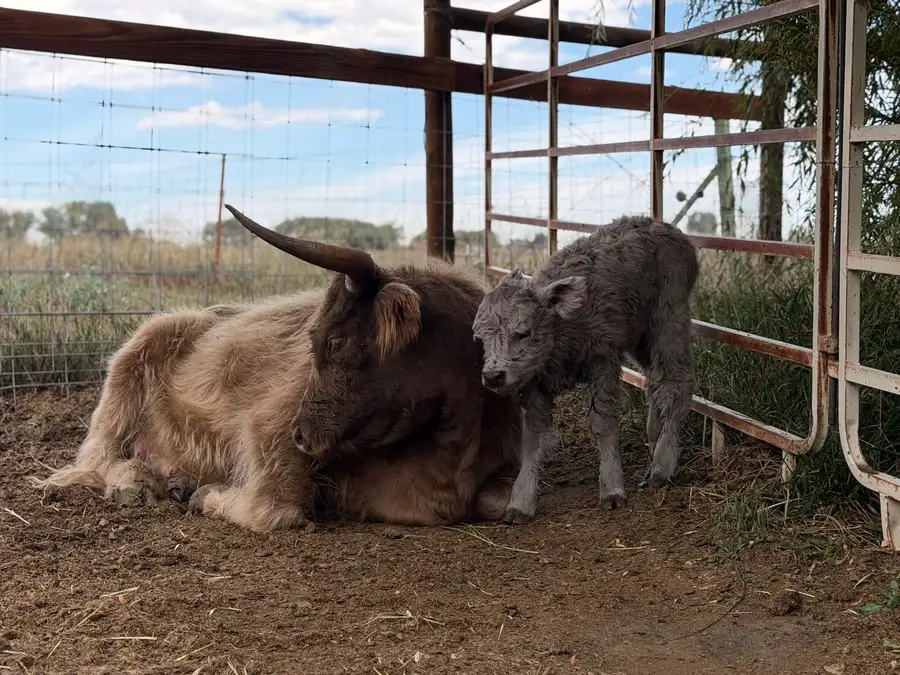
As calving season gets closer, the question everyone asks is, “When is she due?” A breeding date gives you a place to start, but it can’t tell you the exact day a calf will arrive. That’s especially true when a bull has been with the herd for a few weeks and the breeding date is anybody’s guess.
At Bloom & Brisket, we raise Highland cattle, and we’ve found it helps to keep each breeding date tied to the cow it belongs to. You don’t need a fancy system for that. A notebook, spreadsheet, or app will do, as long as you can find the dates again when you need them.
Start with the date you actually know
If a cow was bred by AI, write down the service date and her ID. If a bull was out with a group, note when he went in and came out, plus which cows were in that group. Those dates tell you something useful, even if you didn’t see a service.
Just be clear about what the date represents. An observed service, a month of bull exposure, and a best guess are not the same thing. A small note like “bull in with group” can save you from treating a rough estimate like a confirmed date later.
Estimate a window, not a guaranteed due date
People often use 283 days as a starting point for cattle gestation. The University of Nebraska–Lincoln gives a typical range of 279 to 287 days, with 283 as the average. Cows don’t all follow the calendar, so think of the result as a heads-up, not a promise. UNL explains the range here.
For a known AI date, add 283 days for a central estimate, then give yourself a few days on either side. If you only know when the bull was with a group, add 283 days to both the first and last exposure dates. That gives you a wider window because you don’t know exactly when each cow was bred.
Say the bull was with a group from June 1 through June 30. Adding 283 days puts the possible window around mid-March through early April. That’s plenty useful for planning your season, but it won’t tell you which cow conceived or confirm that she’s pregnant.
Keep the estimate separate from the calving record
Label the projected date as an estimate. When the calf arrives, add a separate calving record with the actual date, dam ID, calf ID, and anything else you want to remember. Keep the estimate, too. It’s useful to see what you expected alongside what actually happened.
After the season, those two dates can help you spot patterns and plan next year. If the bull was with a group, they may also help you make sense of which exposure window fits the calves you got.
Use the window to organize your checks
The window can help you decide when to start checking more often, get supplies ready, and keep the right cow records close at hand. It’s a planning tool, though, not a pregnancy check or a replacement for your veterinarian’s advice if something doesn’t look right.
The main thing is simple: write down what you know, mark what you’re estimating, and add the actual calving details when the calf comes.
A simple calculator and recordkeeping guide
Want to run the dates quickly? The Chute’s free calving date calculator gives you a planning estimate. For more recordkeeping ideas, take a look at our guide to useful cattle records or The Chute’s cattle recordkeeping guide.
You won’t get a perfect prediction from a date, and that’s okay. A clear estimate helps you get ready; a separate calving record tells you what happened.