· 4 min read
Cattle records that are useful when you need them
A few consistent habits can make cattle records easier to find and use. Learn how to track animal IDs, weights, and dates—and how The Chute makes supported records easier to look up with an AI assistant.
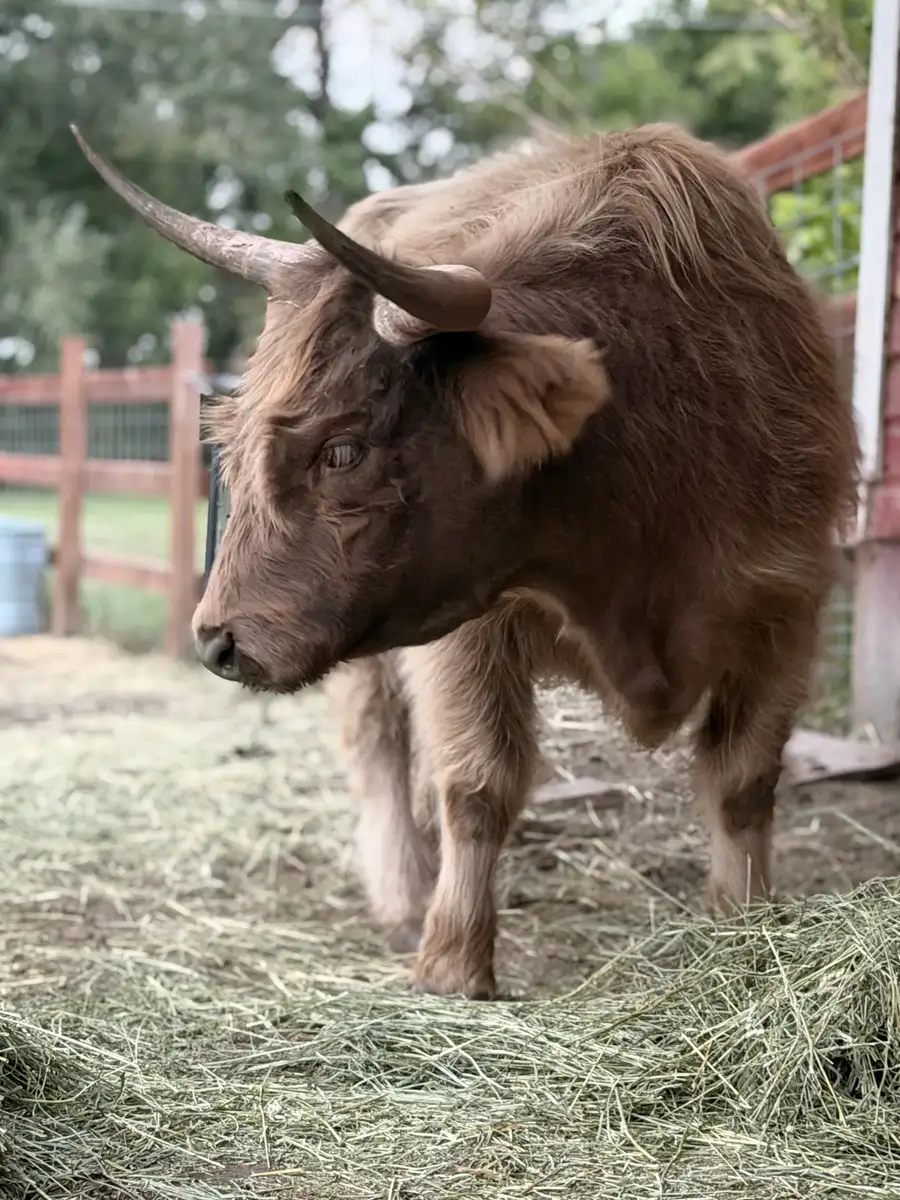
At weighing time, it’s easy to write down a cow’s weight and tell yourself you’ll add the date later. But a weight without a date—or a clear animal ID—can be hard to use when you look back at it.
That’s the basic challenge with cattle records. The information isn’t always complicated; it’s keeping the details together and recording them while they’re fresh. A few consistent habits can make those records much more useful.
Start with one dependable ID
Names are handy around the ranch, but they can change or be shared. An animal may also have a ranch number, an ear tag, and a registration number. Pick one as the primary ranch ID and use it every time you record something about that animal.
Keep other numbers in separate fields. If a tag gets replaced, save the old number as an alternate ID so earlier records still point to the same animal.
Missouri Extension recommends using an identification system that uniquely identifies each animal and paying close attention to breeding, calving, and weaning records. The system can be simple, as long as you use it consistently. Read the MU Extension guidance.
Give every weight a date and context
A weight is more useful when you know what it represents. Along with the animal ID and date, record the value, unit, and type of measurement—for example, birth, weaning, or yearling weight.
Keep each measurement as its own dated entry. That gives you a history to compare over time instead of replacing an earlier number with a newer one. If you convert pounds to kilograms, keep track of the original unit too.
A basic weight log might look like this:
| Animal ID | Date weighed | Weight | Unit | Context |
|---|---|---|---|---|
| 042 | May 12 | 86 | lb | Birth |
| 042 | October 3 | 518 | lb | Weaning |
The numbers here are just an example. The useful part is the habit: make it clear which animal was weighed, when, and what the weight means.
Keep estimates separate from events
Breeding and calving records can include both planned dates and things that have actually happened. Keep those distinct.
For example, record the AI service date or the dates a bull was with a group of females. A projected calving date can help you plan, but label it as an estimate. When a calf arrives, record the actual date, the dam, the calf’s ID, and the outcome as a separate entry.
At the end of the season, those records can help you review which females were exposed, what pregnancy-check results showed, when calves arrived, and how the calves did at weaning. Choose information that is useful to your operation and record it the same way each year. Oklahoma State Extension makes a similar point: useful recordkeeping starts with deciding what information is worth collecting and making time to review it. Read the OSU guidance.
Finding a record in The Chute
I built The Chute to make some ranch records easier to look up and update. With Ranch Pro, you can connect a compatible assistant such as ChatGPT or Claude through a secure sign-in, then ask questions in everyday language. See how assistant access works.
For example, you could ask, “Which cows have a calving window coming up?” or “Show me the recent health history for tag 042.” For a supported change, you might ask it to draft a reminder to check tag 042 next week. You review the details and confirm before the change is saved.
That can be useful when a question comes up while you’re working and you want to find the relevant record without opening profiles one by one. The Chute currently brings animal profiles, health and breeding records, calving estimates, and reminders together.
Keep the system simple enough to use
A recordkeeping system only helps if it fits the way you work. Start with the details you need to make decisions, give each animal a consistent ID, and enter dates and measurements while they’re fresh. Then take time to review the records after breeding, calving, and weaning.
You don’t need to collect every possible number. You need records you can find, understand, and use when it’s time to make a decision.