· 3 min read
Big Chungus
Over the past year, we’ve been reminded—sometimes the hard way—that ranching rarely goes exactly as planned. You can read the books, talk to experienced folks, follow best practices, and still find yourself scratching your head, wondering what went wrong. Our breeding season this year was one of those humbling experiences.

Over the past year, we’ve been reminded—sometimes the hard way—that ranching rarely goes exactly as planned. You can read the books, talk to experienced folks, follow best practices, and still find yourself scratching your head, wondering what went wrong. Our breeding season this year was one of those humbling experiences.
Trying to Do It the “Right” Way
We set out with the goal of breeding our cows and heifers through artificial insemination (AI). On paper, it made a lot of sense. Better genetics, more control, and the ability to plan ahead—it all felt like the responsible, modern approach.
We started by trying to catch heats the old-fashioned way: watching closely and using heat detection tools to time the inseminations. We spent a lot of time observing, checking, and rechecking. Despite all that effort, nothing stuck.
Not wanting to give up too quickly, we moved on to hormone protocols to synchronize cycles and take the guesswork out of timing. This was supposed to be the sure thing. Everything lined up the way it was supposed to… and still, no pregnancies.
Frustration Sets In
That’s the part people don’t always talk about. When you’re doing what you’re told should work, and it doesn’t, it starts to wear on you. We questioned our timing, our process, ourselves—and even whether we were pushing too hard instead of listening to what the animals were telling us.
On top of that, there was the cost. AI straws aren’t cheap, and every attempt that didn’t take felt like watching money disappear with nothing to show for it. Each cycle came with more expense—semen, supplies, vet work—and each negative result made the frustration that much heavier.
With a small herd, every cow matters. Each missed cycle felt bigger than it probably would on a large operation. It wasn’t just a data point—it was another season slipping by.
A Simpler Answer
Eventually, we decided to step back and simplify.
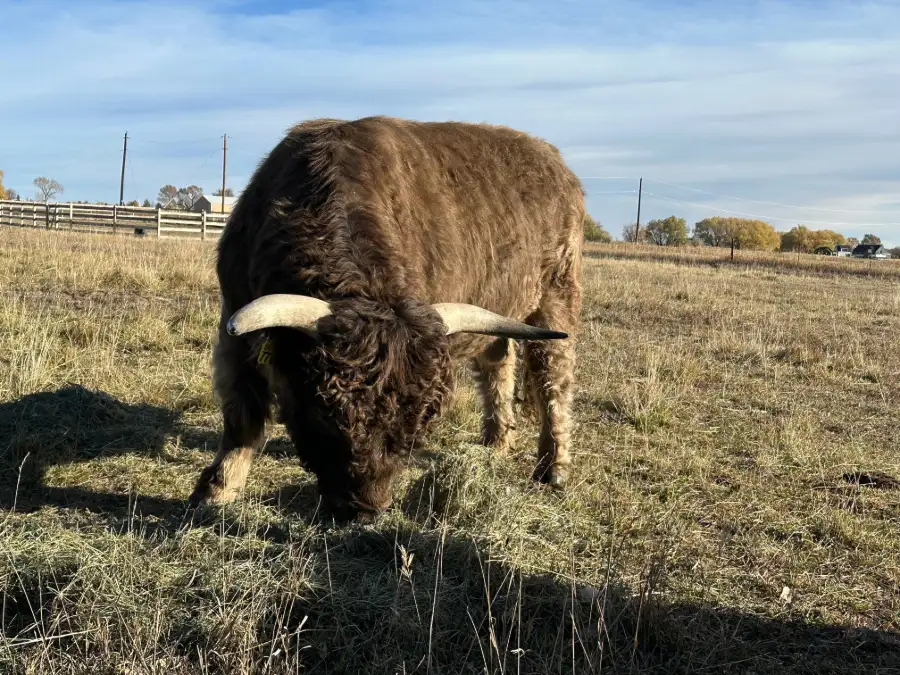
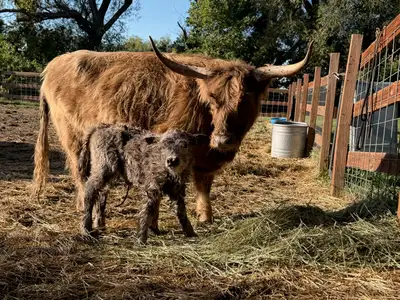
We reached out to Trevor at Hanson Ranch and made arrangements to lease his champion bull, Big Chungus. From the moment he arrived, he brought a sense of calm and confidence to the place. No charts. No schedules. No alarms. Just a bull doing what bulls have done forever.
Big Chungus stayed with us for about 50 days, enough time to cover two full heat cycles for each of our cows and heifers. Watching him work was a reminder that sometimes the most reliable solution is also the most straightforward one.
Waiting and Hoping
Now we wait.
There’s always a mix of hope and nerves during this part, but we’re feeling good. No matter what the preg checks show, this year taught us a lot about patience, humility, and adaptability.
Ranching isn’t about getting it right every time. It’s about learning when things don’t go as planned and being willing to adjust course.
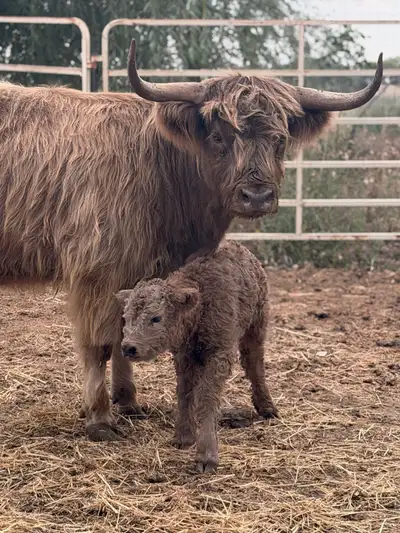
We’re hopeful that Big Chungus did the trick, and we’re looking forward to sharing the next chapter—hopefully with calves on the ground.